
Keir Starmer said, ‘She needs to be silenced’ — Katie Hopkins reads the entire post aloud.
Keir Starmer didn’t “debate” Katie Hopkins in this viral story. He branded her dangerous—and, in the version circulating online, suggested she “needed to be silenced.”
People share it like proof. Like a confession. Like the mask slipped, finally, in plain view.
But here’s the first problem: the loudest version of this moment isn’t coming from Parliament transcripts or major broadcasters. It’s coming from the internet’s theatre.

And theatre has a rule: if it feels satisfying, it spreads faster than it feels true.
The second problem is deeper. Even if you ignore the exact wording, the instinct behind it is familiar: label the speaker as a threat, then sell the silence as “public safety.”
That’s why this story hooks people. It’s not really about Hopkins. It’s about the creeping sense that “free speech” now comes with a terms-and-conditions pop-up.
Hopkins, in the viral retelling, doesn’t clap back with a clever line. She doesn’t play victim. She plays archivist—pulling receipts, reading posts aloud, forcing the room to sit in it.
No editing. No “out of context,” she claims. Just the cold rhythm of someone else’s words, repeated until they sound like what they are: a position.
That’s the trick of reading it out loud. Online phrasing can hide behind vibes. Spoken phrasing has to survive oxygen.
And if you’ve spent any time watching modern politics, you know the real currency isn’t policy. It’s moral posture—who gets to call who “dangerous.”
The label is powerful because it does two jobs at once. It discredits the target, and it flatters the audience: You’re the good people for wanting them gone.
Now zoom out. Britain has always had its sacred stage for arguments—Speakers’ Corner energy, even when the speakers are unbearable.
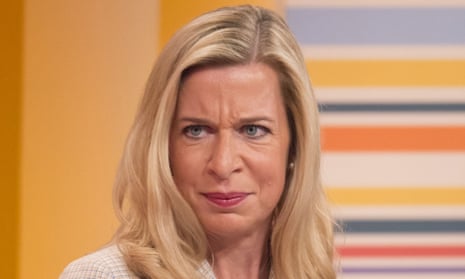
The point was never that every speaker is right. The point was that the crowd gets to decide who’s foolish—without the state deciding first.
That’s why “she must be silenced” lands like a slap. It skips the messy middle where citizens argue, mock, refute, boycott, ignore, and move on.
It’s the shortcut. The eject button. And shortcuts are addictive when you think you’re the hero.
But here’s where the story gets uncomfortable for both sides.
Hopkins sells conflict for a living. Outrage is not an accident around her; it’s the product. She profits when institutions panic and overreact.