THE VERDICT IS DELIVERED — SUELLA BRAVERMAN JUST BROUGHT THE GAVEL DOWN ON STARMER!-nhuquynh
Westminster expected routine theatre, the familiar rhythm of partisan exchange that rarely lingers beyond the evening news cycle.
What followed instead felt like something else entirely, closer to a courtroom climax than a parliamentary debate.
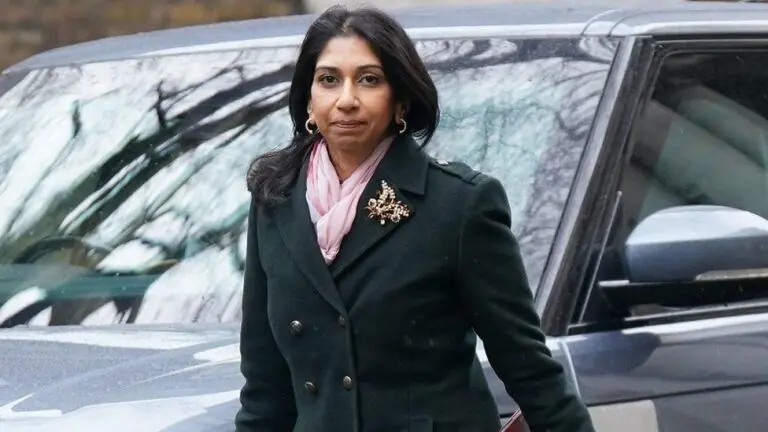
For thirteen electrifying minutes, Suella Braverman KC did not posture, hedge, or trade soundbites.
She prosecuted.
Millions watching sensed it immediately, as her tone shifted the room from noise to tension, from argument to reckoning.
This was not a speech designed to charm undecided voters.
It was a closing argument delivered with the precision of someone trained to leave no escape route.
Braverman began where few expected, turning her sights not on Labour directly, but on the institutions framing the debate.
“You want to talk about threats to democracy?” she asked, her voice steady, cutting through interruption attempts.

“The only threat is your taxpayer-funded bias that ignores victims of crime while you play for the cameras.”
The mention of the BBC landed like a legal objection sustained in real time.
In a chamber accustomed to deference toward broadcasters, the accusation felt transgressive.
Braverman framed the issue not as media freedom, but as accountability to the public footing the bill.
She argued that selective outrage distorts reality, prioritizing narrative over victims.
The benches shifted uneasily, aware that the charge resonated beyond party lines.
Then she pivoted, smoothly, deliberately, toward City Hall.
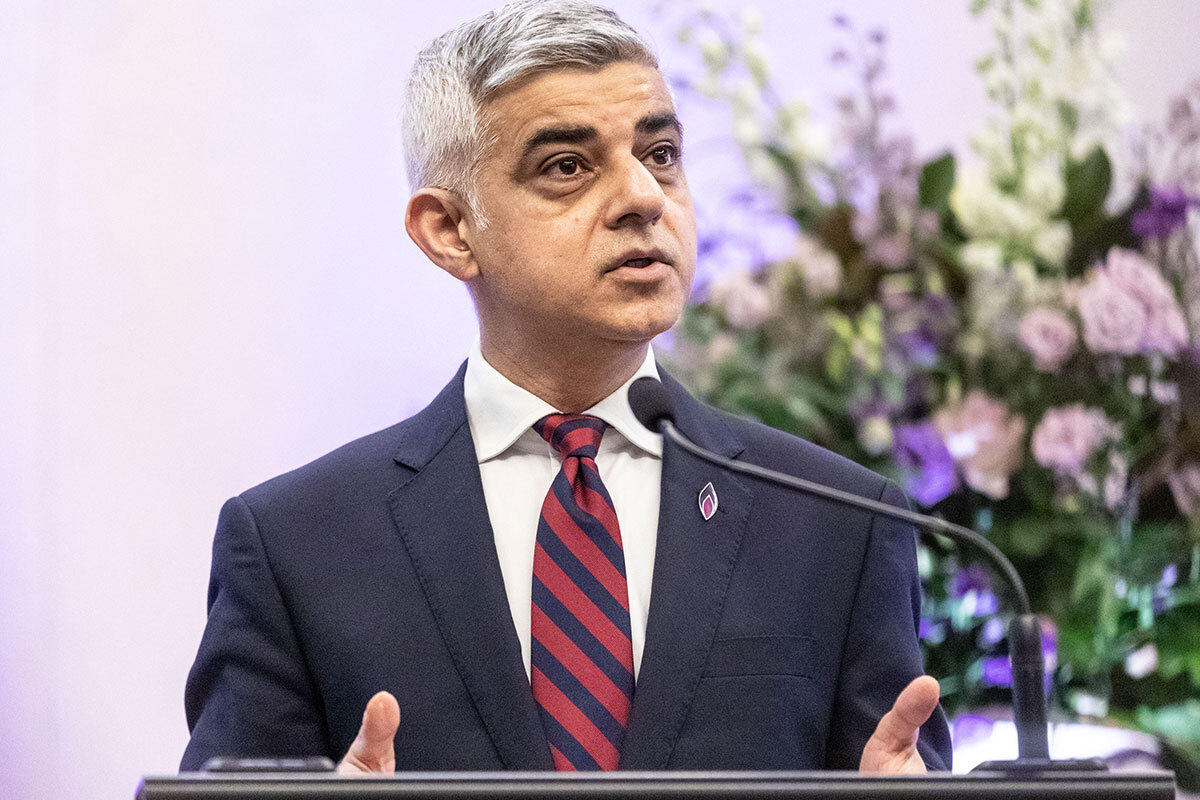
“Sadiq says we’re being divisive,” she said, pausing just long enough to let the words settle.
“Sadiq, your policies have turned London into a playground for knife gangs and extremists.”
The language was stark, intentionally stripped of qualifiers.
“That’s not diversity,” Braverman continued.
“That’s a betrayal of every law-abiding citizen afraid to walk the streets.”
Gasps and groans overlapped, but the point had already landed.
She framed fear not as prejudice, but as lived experience.
The accusation reframed safety as a moral obligation rather than a political talking point.
From there, the cross-examination widened.
Angela Rayner came next, her rhetoric contrasted with outcomes Braverman described as empty promises and escalating disorder.
Yvette Cooper followed, her record scrutinized through the lens of enforcement gaps and policy reversals.
Even the long shadow of Tony Blair was not spared, invoked as the origin of a political culture Braverman argued normalized managerial decline.
Each reference was delivered not as insult, but as evidence.
Dates.
Consequences.
Outcomes.
The structure mattered.
This was not a rant.
It was methodical.
Observers noted how Braverman avoided emotional crescendo, choosing instead a steady build that felt forensic.
Every line sharpened the next.
Every pause invited viewers to connect dots themselves.
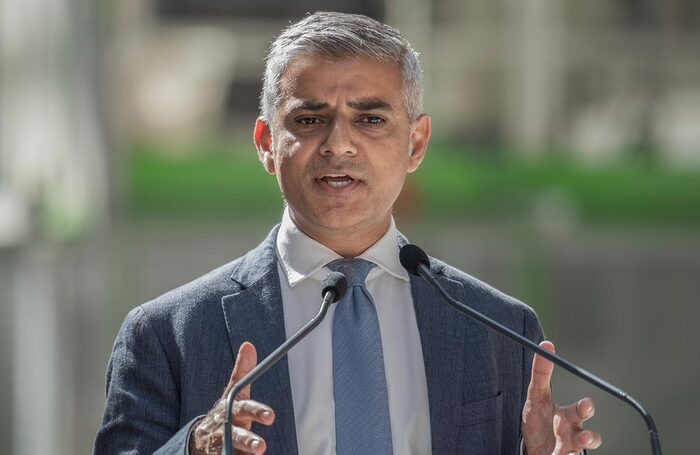
That technique unsettled opponents more than shouting ever could.
The atmosphere thickened as the debate’s center of gravity shifted irreversibly.
Attempts to interrupt faltered.
Points of order dissolved into background noise.
Braverman remained focused, as if addressing a jury rather than adversaries.
Then came the moment many would replay endlessly.
On live television, even the BBC appeared momentarily stunned.
Laura Kuenssberg, seasoned and unflappable, froze as the argument cut through studio mediation.
Silence replaced the usual reframing.
For viewers, that silence spoke louder than commentary.
It suggested the narrative had slipped beyond immediate control.
Insiders later described the exchange as the most savage legal-style takedown witnessed in the Commons.
Not because it was cruel, but because it was comprehensive.
Braverman did not leave room for selective rebuttal.
She framed leadership failure as cumulative, not accidental.
That framing matters, because it transforms debate into judgment.
Supporters hailed the moment as overdue truth-telling, praising her willingness to confront what they see as institutional denial.
They shared clips rapidly, framing the speech as a defense of victims, order, and accountability.
Critics responded with equal force, condemning the rhetoric as inflammatory and dangerously reductive.
They argued that complex social issues cannot be prosecuted like criminal cases.
Yet even critics acknowledged the effectiveness of the delivery.
Braverman spoke a language many viewers understood instinctively.
Right.
Wrong.
Responsibility.
Consequence.
Political analysts noted that invoking legal structure resonates in a climate where trust in politics is low.
When institutions feel opaque, clarity feels like justice.
The speech’s virality was not accidental.
It offered viewers a narrative arc, complete with indictment, evidence, and implied verdict.
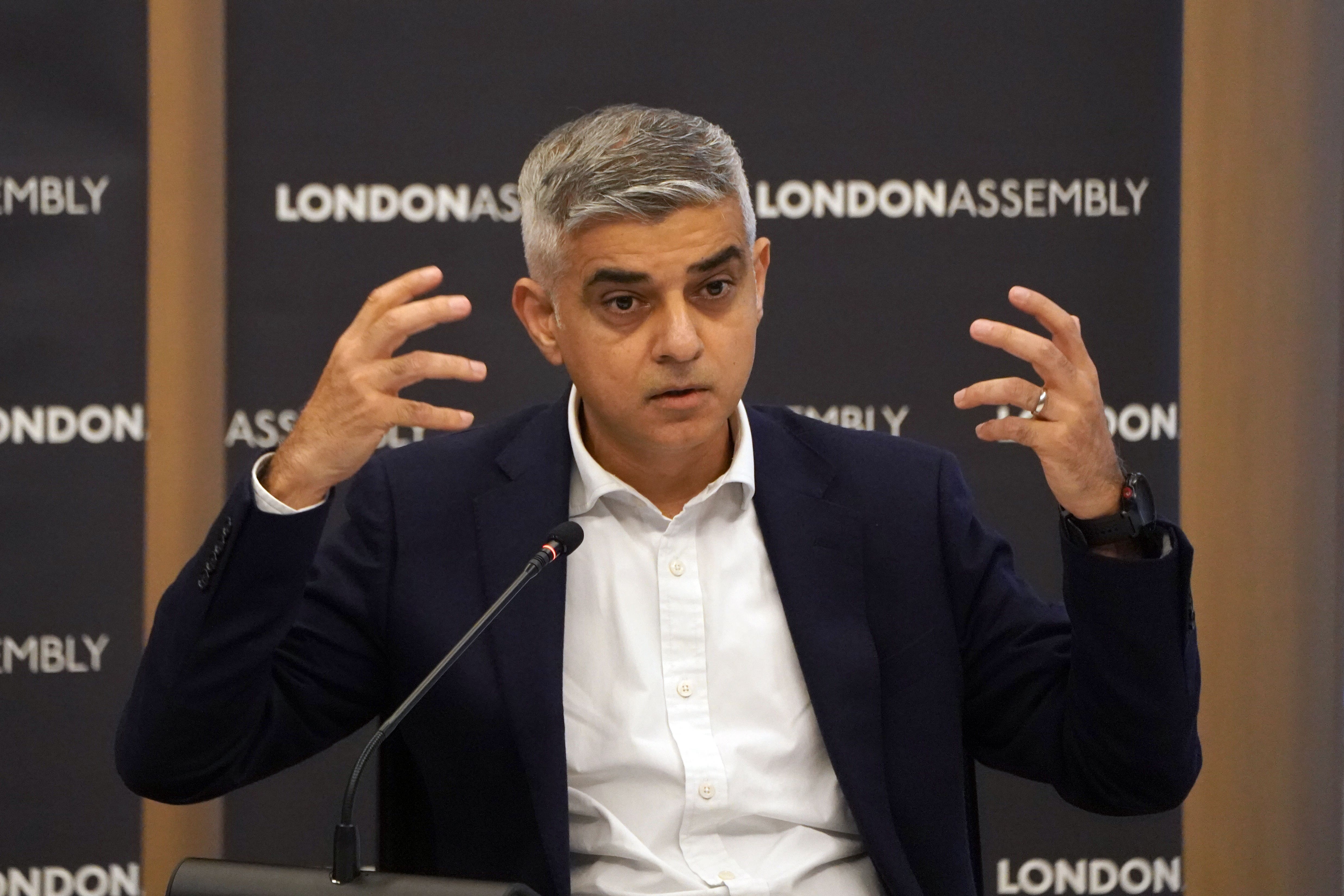
That arc is rare in modern parliamentary debate.
Usually, arguments fragment.
Here, they cohered.
Opponents attempted to counter by accusing Braverman of grandstanding.
Her supporters replied that substance feels like grandstanding only when it threatens complacency.
The clash exposed a deeper divide over how politics should function.
Is Parliament a forum for endless negotiation, or a place to draw lines?
Braverman chose lines.
That choice electrified supporters and alarmed critics in equal measure.
The thirteen-minute stretch quickly eclipsed policy documents and press releases.
It dominated feeds, phone screens, and conversations long after the session ended.
Commentators replayed individual lines, but the power lay in the cumulative effect.
This was not about one remark.
It was about momentum.
Braverman framed Labour leadership as defendants rather than alternatives.
Once framed that way, every rebuttal sounded defensive.
The term “verdict” began appearing organically, not because a vote occurred, but because perception shifted.
Perception often precedes outcome in politics.
Whether the speech translates into electoral change remains uncertain.
What is certain is that it altered the emotional landscape.
Fear, anger, and frustration were named rather than managed.
For many viewers, that felt validating.
For others, it felt destabilizing.
Destabilization, however, is often the price of confrontation.
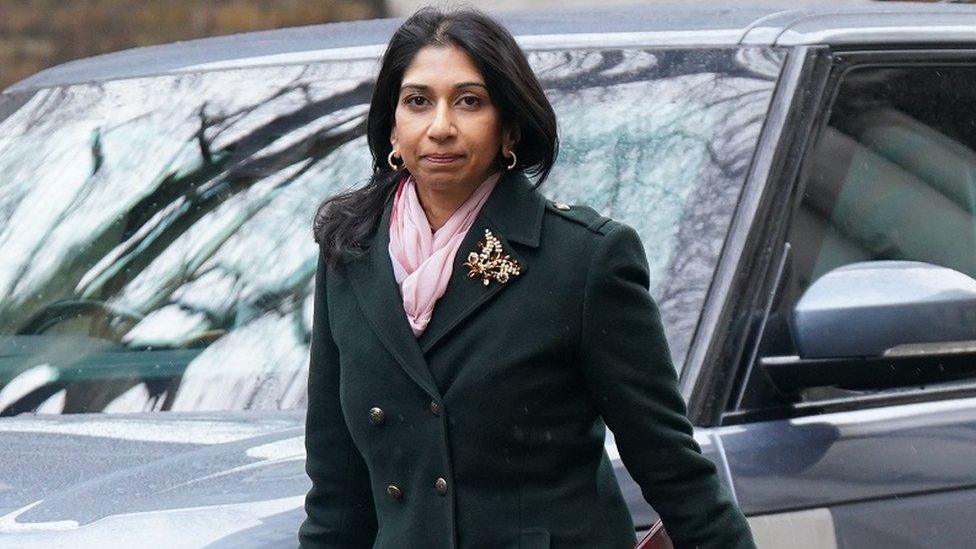
The BBC silence, brief as it was, became symbolic.
A reminder that even narrative gatekeepers can be caught off-guard.
Braverman’s critics argue that such moments polarize rather than persuade.
Her supporters counter that persuasion has failed for years, leaving confrontation as the only remaining tool.
The truth likely sits uncomfortably between.
Confrontation clarifies stakes.
Clarity attracts attention.
Attention reshapes power.
That is why thirteen minutes mattered more than hours of routine debate.
They felt decisive.
They felt final.
Not because they closed the case, but because they forced it fully into the open.
One gavel metaphorically came down.
One courtroom-style argument replaced consensus language.
And Westminster was reminded that sometimes, politics stops negotiating and starts judging.
Whether that judgment holds will be decided later.
But the moment itself is already written into the cycle.
Thirteen minutes.
One closing argument.
And a chamber that will not forget how it felt to be put on trial.