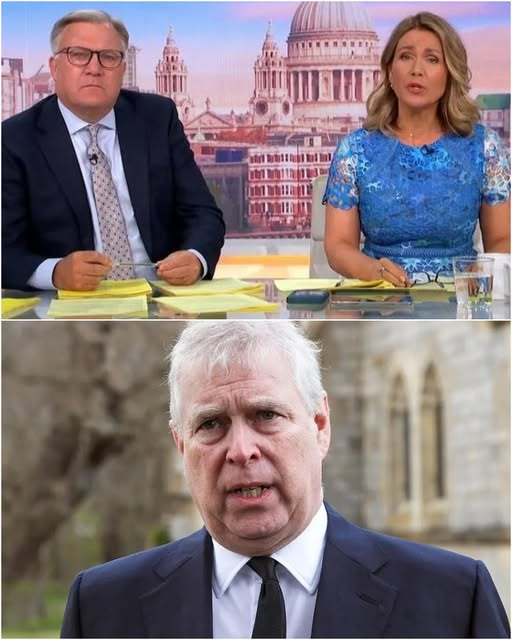
SAD UPDATE FROM LONDON — What Was Confirmed About Prince Andrew Just Moments Ago Has Shocked Many.
The Palace Breaks Its Silence: A Firm Stance on the Prince Andrew Controversy
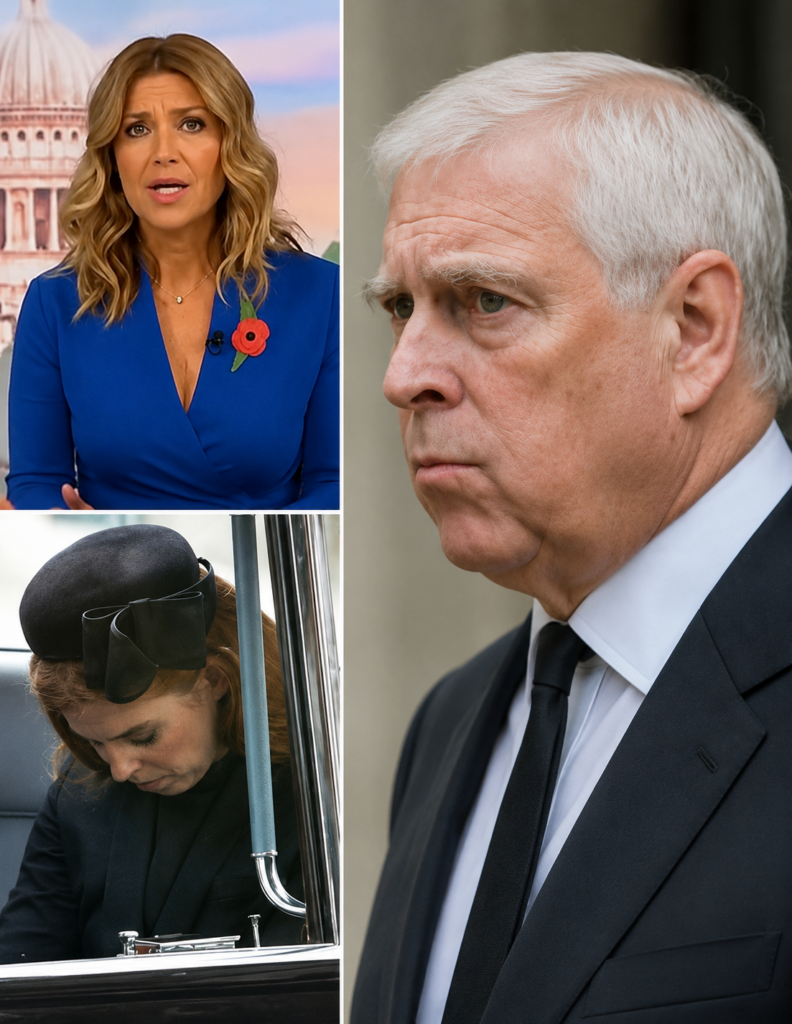
For years, the British Monarchy has operated under a strict, unofficial mantra: “Never complain, never explain.” However, the relentless storm of controversy surrounding Prince Andrew, the Duke of York, eventually forced the hand of Buckingham Palace. In a series of unprecedented moves and carefully calibrated statements, the Palace has sought to draw a sharp line between the official monarchy and the King’s brother, prioritizing the institution’s survival over familial ties.
The Turning Point: Stripping of Titles
The most defining moment of the Palace’s public response came ahead of Prince Andrew’s legal settlement in the United States. Recognizing the severe damage the allegations were inflicting on the Crown’s reputation, the Palace issued a terse but historic statement. It announced that with the Queen’s approval and agreement, the Duke of York’s military affiliations and Royal patronages had been returned to the Sovereign.
Crucially, the Palace stated:
“The Duke of York will continue not to undertake any public duties and is defending this case as a private citizen.”
This single sentence marked a monumental shift. By stripping him of the “His Royal Highness” (HRH) style in official capacities and reclassifying him as a “private citizen,” the Palace effectively excommunicated Andrew from official royal life. It was a cold, clinical, but necessary corporate restructuring designed to protect the monarchy from the fallout of his personal scandals.
Continuity Under King Charles III
Following the ascension of King Charles III, the Palace’s strategy transitioned from active crisis management to quiet, firm enforcement. Insiders reveal that the King has been resolute in maintaining the boundary set during their mother’s reign. The Palace has repeatedly declined to comment on ongoing memoirs, documentaries, or newly unsealed court documents, letting their previous actions speak for themselves.
The strategy is clear: total dissociation. Prince Andrew no longer has an office at Buckingham Palace, his security details have been scaled back, and he is visibly absent from major state events. When he does appear—such as at family walks during Christmas or Easter—the Palace ensures it is framed strictly as a private family matter, not a state occasion.
Balancing Family and Crown
The Palace’s handling of Prince Andrew highlights the delicate, often brutal tightrope the Royal Family must walk. They must balance the natural instincts of a family protecting its own with the rigid demands of an institution that relies entirely on public consent. By letting the Prince “speak for himself” as a private citizen, the Palace shields the reigning monarch from political and public backlash.
Ultimately, the Palace’s official stance on Prince Andrew is defined less by what they say, and more by what they have taken away. Through calculated silence and decisive actions, the Palace has sent an unequivocal message to the public: the integrity and future of the British Monarchy will always outweigh the status of any individual prince.